
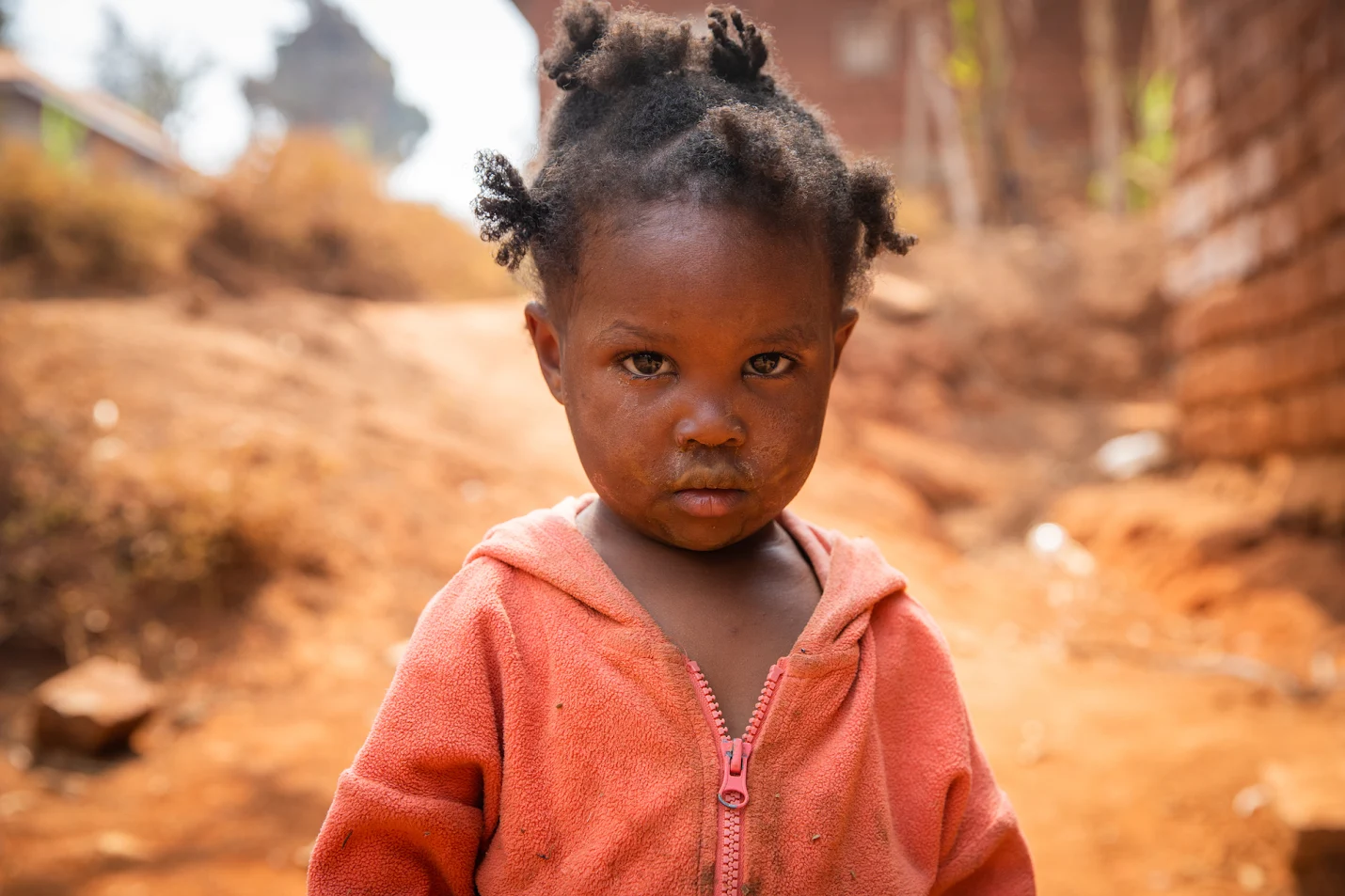
For many children, getting clean water is part of a normal daily routine. But in many rural communities across Africa, finding water can take hours. Children often walk long distances before school to collect water from rivers, ponds, or unsafe sources.
This daily struggle affects much more than hydration. Unsafe water can lead to illness, missed school days, poor hygiene, and fewer opportunities for children to build a better future.
The good news is that sustainable clean water projects are helping communities create lasting change. By supporting reliable water systems, communities can improve health, education, and daily life for generations.
Key Takeaways
- Millions of children across sub-Saharan Africa still lack reliable access to safe drinking water.
- Unsafe water affects children’s health, education, and overall development.
- Sustainable clean water projects, including solar-powered wells, can provide long-term solutions.
- Community involvement and maintenance planning are important for lasting impact.
- Supporting trusted water projects is one way individuals can help improve children’s lives.
Why Do Children in Rural Africa Lack Clean Water?
Water scarcity in rural Africa is caused by several connected challenges. Many villages are located far from major infrastructure networks. They may not have access to pipelines, treatment facilities, or reliable electricity.
As a result, families often depend on natural sources such as rivers, lakes, and shallow wells. These sources can become unsafe because of:
- Bacteria and contamination
- Flooding and runoff
- Poor sanitation systems
- Seasonal droughts
- Changing rainfall patterns
According to WHO and UNICEF data, hundreds of millions of people in sub-Saharan Africa still lack access to safely managed drinking water.
Children are among the most affected because they often carry the responsibility of collecting water for their families.
How Unsafe Water Affects Children
Clean water is not only about drinking. It affects almost every part of a child’s life.
Health Challenges
Unsafe water can spread diseases linked to contamination and poor sanitation. Children are especially vulnerable because their bodies are still developing.
Repeated illnesses can affect:
- Growth
- Learning ability
- School attendance
- Overall wellbeing
A reliable source of clean water can reduce these risks and improve daily living conditions.
Education Challenges
For many children, collecting water takes time away from school. Some children wake up early and walk several hours before classes begin.
Others may miss school entirely during dry seasons, when finding water becomes the family’s top priority.
When communities gain nearby access to clean water, children have more time to:
- Attend school
- Complete homework
- Participate in activities
- Focus on learning
Impact on Girls and Young Women
In many rural communities, girls are often responsible for collecting water. Long walks for water can limit educational opportunities and increase daily challenges.
Improving water access helps create safer conditions and gives children more opportunities to focus on education.
Why Rural Communities Face Greater Water Challenges
Water problems in rural areas rarely come from one single cause. Several issues often happen together.
Limited Infrastructure
Remote villages may not have:
- Water pipelines
- Treatment facilities
- Electricity networks
- Regular maintenance services
Even when water systems are installed, they may fail to function without proper training and support.
Climate Pressure
Changing weather patterns are affecting many communities. Longer dry seasons and unpredictable rainfall can reduce the availability of traditional water sources. Communities that depend on seasonal rivers or ponds often face the greatest challenges.
Environmental Damage
Land degradation, deforestation, and soil erosion can also affect water availability. Healthy land helps store rainfall and support groundwater supplies.
When ecosystems become damaged, communities may have fewer reliable water sources.
How Sustainable Clean Water Projects Help Children
Short-term emergency support can help during a crisis. However, long-term change requires sustainable solutions that communities can depend on.
This is why many organizations focus on building reliable water systems. Organizations like Synergy Heals help communities move from short-term water support toward reliable long-term access
Solar-Powered Wells: A Long-Term Water Solution
Solar-powered wells are becoming an important solution in rural areas. These systems use solar energy to power pumps that bring groundwater to the surface.
They can provide several benefits:
- Reliable access to clean water
- Lower operating costs
- Less dependence on fuel
- Better long-term sustainability
For communities without reliable electricity, solar-powered systems can provide a practical solution.
Community-Owned Water Projects Create Lasting Impact
A successful water project is not only about building a well.
Long-term success also depends on:
- Local training
- Community involvement
- Maintenance planning
- Regular monitoring
When communities understand how to manage and maintain water systems, projects are more likely to continue helping families for years.
How Clean Water Changes Children’s Lives
Access to clean water creates benefits that go beyond the water source itself.
Better Health
Children have safer drinking water and improved hygiene conditions. This can reduce exposure to preventable illnesses.
More Time for Education
When water is available closer to home, children spend less time collecting it. They gain more opportunities to attend school and focus on learning.
Stronger Communities
Clean water supports:
- Families
- Schools
- Health centers
- Local businesses
- Agriculture
A single water project can improve daily life across an entire community.
How You Can Help Children in Africa Get Clean Water
Many people want to support access to clean water but are unsure where to start. Supporting trusted organizations working on sustainable water projects can make a meaningful difference.
Ways to help include:
Support Clean Water Projects
Donations can help fund:
- Water wells
- Solar-powered water systems
- Water pumps
- Sanitation programs
- Hygiene education
Choose Transparent Organizations
Before supporting a project, look for organizations that provide:
- Clear project information
- Verified locations
- Community details
- Progress updates
- Impact reports
Transparency helps donors understand how their support creates change.
Share Awareness
Clean water challenges often receive attention only during emergencies. Sharing information helps more people understand the long-term needs of rural communities.
Greater awareness can lead to more support for sustainable solutions.
What Makes a Clean Water Project Effective?
A successful clean water project focuses on long-term results.
Important factors include:
Reliable Infrastructure
The system should be designed for the local environment and community needs.
Local Participation
Communities should play a role in managing and protecting water sources.
Regular Maintenance
A plan should exist for repairs and ongoing support.
Sustainable Design
Solutions such as solar-powered wells can reduce operating challenges in remote areas.
Why Clean Water Access Is an Investment in the Future
Clean water helps children today while creating stronger communities tomorrow.
When children have access to safe water, they have better opportunities to:
- Stay healthy
- Attend school
- Learn new skills
- Support their families in the future
Water access is not only a humanitarian need. It is a foundation for education, health, and community development.
Final Thoughts
For millions of children in rural Africa, clean water is not always easy to access. A long walk for water can mean missed classes, health risks, and fewer opportunities. But sustainable clean water projects are creating positive change.
By supporting reliable water systems, communities can give children safer lives, better health, and more time to learn. Clean water is more than a resource. It is a chance for children and communities to build a stronger future.
Frequently Asked Questions
How can I help children in Africa get clean water?
You can support trusted clean water organizations that fund sustainable projects such as wells, solar-powered systems, and community water programs.
Why do children in rural Africa struggle to access water?
Many rural communities face challenges due to limited infrastructure, climate pressure, environmental changes, and distance from reliable water sources.
Are clean water donations effective?
Yes. When projects are properly planned and maintained, clean water donations can improve health, education, and community stability.
What type of water projects create long-term impact?
Projects with sustainable infrastructure, community involvement, maintenance plans, and transparent reporting are more likely to create lasting benefits.
Why is clean water important for children’s education?
When children spend less time collecting water, they have more time to attend school, study, and participate in learning activities.