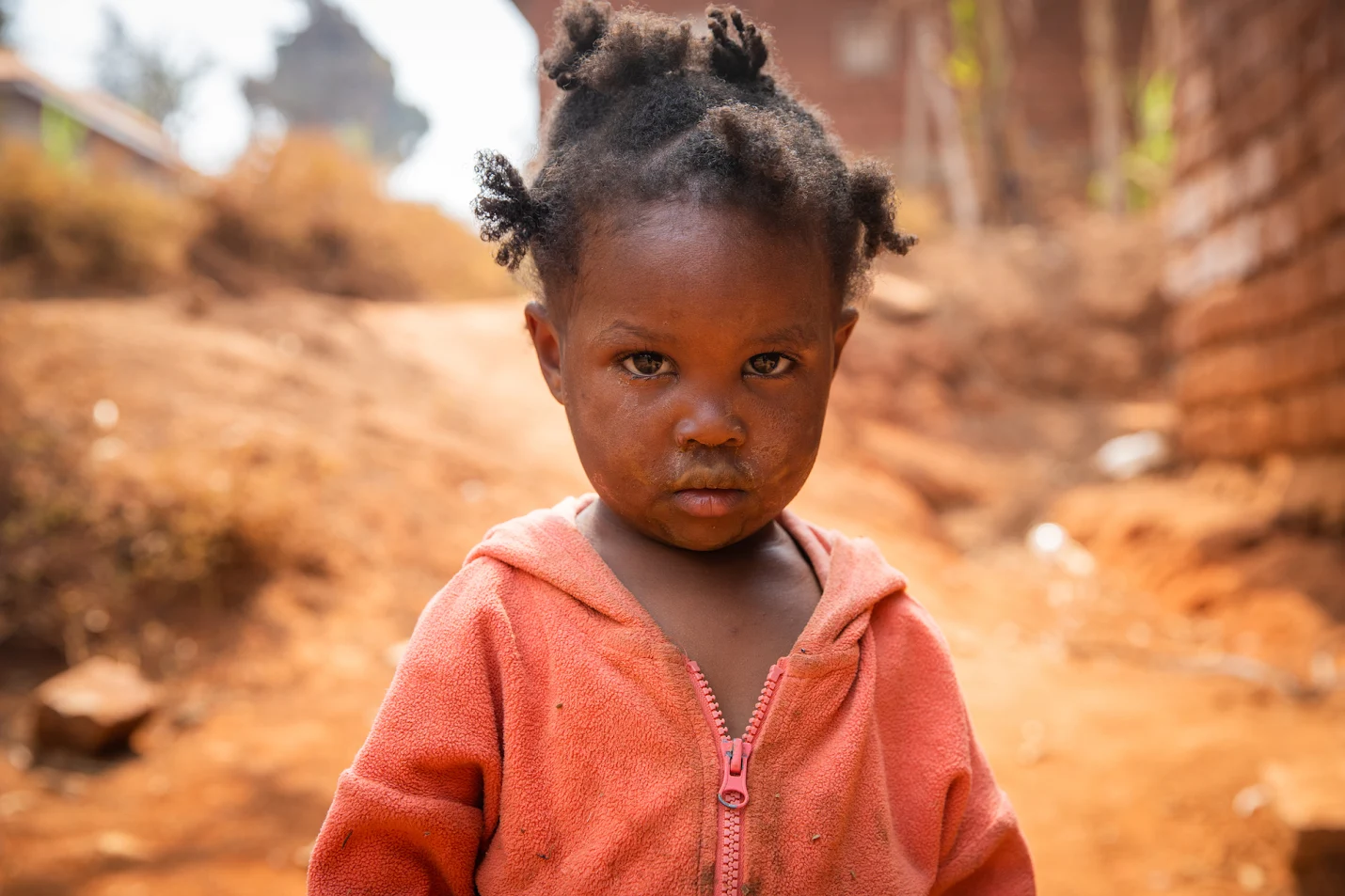
When people think about clean water, they often picture a glass of safe drinking water. But for a child growing up in rural Guinea, clean water means much more than quenching thirst.
It influences whether a child grows up healthy, attends school consistently, receives proper nutrition, and has the opportunity to build a brighter future. Something as simple as a nearby source of safe water can affect almost every aspect of childhood.
Across many rural communities in Guinea, families continue to face daily challenges accessing reliable water. While remarkable progress has been made over the years, the journey toward universal access to safe drinking water is far from complete. Understanding why clean water matters helps explain why sustainable water projects remain one of the most valuable investments any community can make.
Childhood Begins With Healthy Water
The early years of a child’s life are critical for physical and mental development. During this period, children require clean water not only for drinking but also for preparing food, maintaining hygiene, and preventing infections.
When households rely on contaminated water, children face repeated health challenges that can interrupt normal growth. Frequent illness may reduce appetite, affect nutrient absorption, and slow healthy development.
Providing safe water during childhood helps create the conditions children need to grow stronger and healthier.
The Daily Search for Water Has Hidden Consequences
For many rural families, collecting water is part of everyday life.
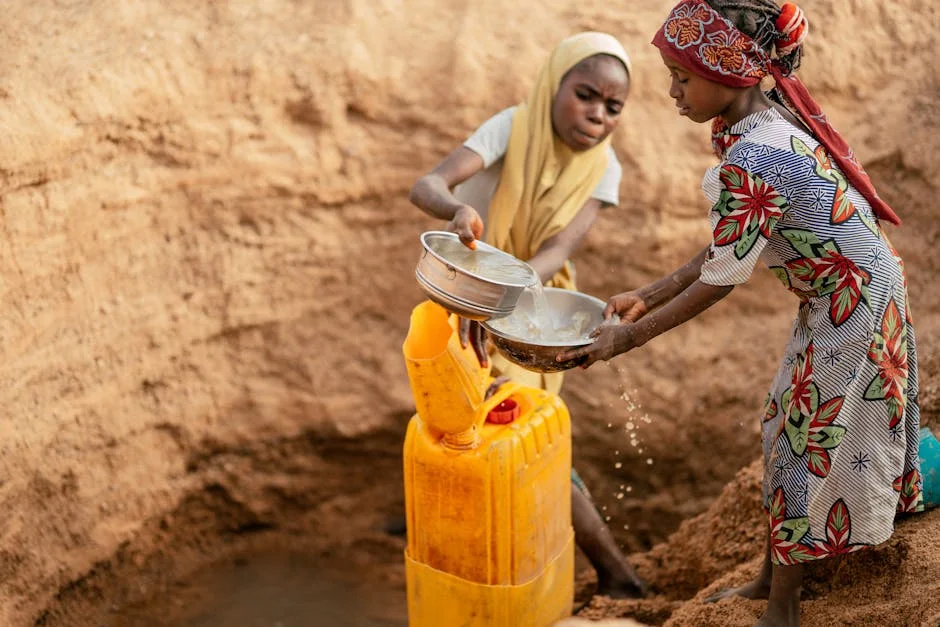
A journey that seems routine often requires walking long distances while carrying heavy containers back home. These daily trips consume valuable time and energy that could otherwise be spent earning income, studying, or caring for young children.
The impact is rarely measured only in kilometres—it is measured in opportunities that disappear every single day.
When reliable water becomes available within the community, families recover something equally valuable: time.
Clean Water Supports Better Nutrition
Nutrition and clean water are closely connected.
Even when food is available, unsafe water can reduce the body’s ability to absorb essential nutrients. Preparing meals with contaminated water also increases the risk of illness, particularly among infants and young children.
Access to safe water allows families to prepare food more safely, wash fruits and vegetables properly, and maintain better hygiene during cooking.
As a result, clean water plays an important role in supporting healthier diets and reducing preventable health problems.
Health Clinics Depend on Safe Water Too
Water is just as important inside healthcare facilities as it is inside homes.
Doctors, nurses, and community health workers need reliable water for cleaning equipment, washing hands, caring for patients, and maintaining hygienic treatment environments.
Without dependable water supplies, even basic medical care becomes more difficult.
Strengthening community water infrastructure benefits both households and local healthcare services.
Safe Water Helps Communities Prepare for Dry Seasons
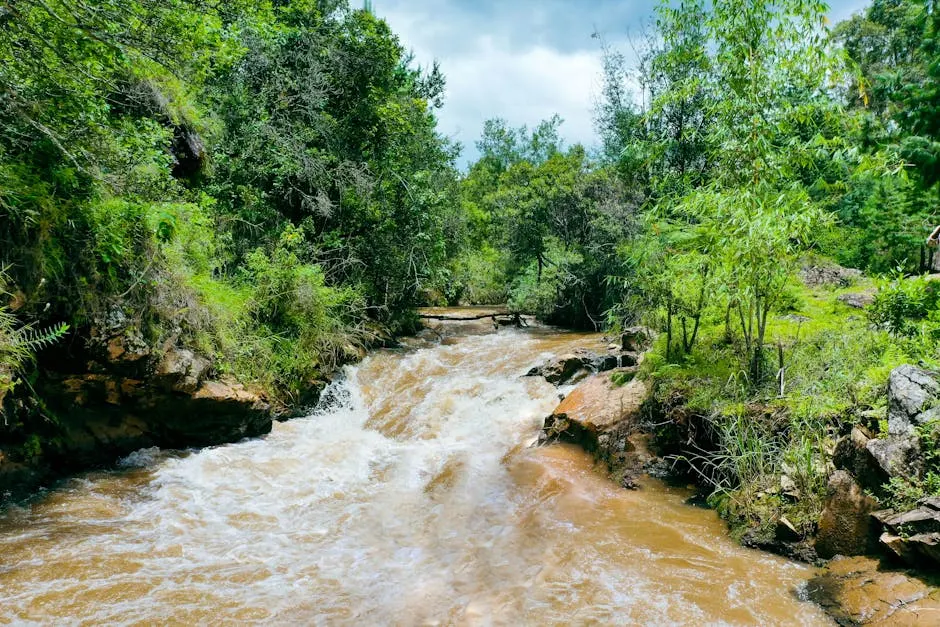
Many regions of Guinea experience changing weather patterns that affect rivers, ponds, and shallow wells.
Communities with access to dependable groundwater are often better prepared during periods of low rainfall because they are less dependent on seasonal water sources.
Long-term water planning improves resilience and helps communities adapt to environmental challenges while reducing uncertainty during dry months.
Reliable Water Creates New Opportunities
When families no longer spend hours searching for water, new possibilities begin to emerge.
Parents have more time for farming, small businesses, and community activities. Children can focus on school and recreation. Local schools and healthcare centres operate more effectively when clean water is available every day.
Reliable water creates conditions where communities can invest more energy into development instead of daily survival.
Why Sustainable Water Projects Matter
Building a water source is only the first step.
Long-term success depends on careful planning, quality construction, regular maintenance, and strong community involvement.
Projects designed with sustainability in mind continue providing benefits long after construction is complete. Local participation helps protect water systems while ensuring communities have the knowledge needed to maintain them for years to come.
Sustainable solutions create lasting impact because they address both today’s needs and tomorrow’s challenges.
A Shared Responsibility
Improving access to clean water requires collaboration between communities, governments, nonprofit organisations, and supporters around the world.
Every successful project demonstrates what is possible when people work together toward a common goal. A reliable water source improves health, strengthens education, supports local economies, and gives children the opportunity to grow up in safer environments.
At SYNERGY HEALS, our mission is centred on creating sustainable water solutions for rural communities in Guinea. By developing long-term infrastructure and working alongside local partners, we aim to help villages build healthier futures—one well at a time.
Final Thoughts
Clean water is far more than a basic necessity. It influences childhood development, nutrition, healthcare, education, and the long-term resilience of entire communities.
As more villages gain access to reliable and sustainable water sources, the benefits extend across generations. Every child deserves the chance to grow up healthy, learn without unnecessary barriers, and look toward the future with confidence.
Investing in clean water is ultimately an investment in people—and in the future of communities across Guinea.